

Does Our Healthcare System Take Black Women Seriously? My Experience With Fibroids
A gentle note:
This post is based solely on my personal experience. I am not a medical professional, and this is not medical advice. What worked for me may not work for you. Please always seek guidance from a qualified healthcare professional before making changes to your diet, supplements, or treatment plan.
This post contains affiliate links. I may earn a small commission if you choose to make a purchase, at no extra cost to you.
Last year, I began to notice changes in my body that I couldn’t ignore. Despite eating well and working out religiously, I started gaining weight specifically around my abdomen.
At first, I brushed it off as pre-menstrual bloating something that would surely disappear once my cycle ended…It didn’t.
Weeks passed and the bloating remained. Then I noticed something that definitely wasn’t normal: a visible bulge protruding from my belly button. My mind immediately jumped to the worst-case scenario. I convinced myself it was a hernia and, in true dramatic fashion, assumed my time was up.
So, off to A&E I went — because honestly, it was starting to look like something straight out of Stranger Things.
I was seen by a consultant who told me I had a very large fibroid and seemed genuinely surprised by its size. She explained I would need further tests but added that, due to my age, I wouldn’t be considered a priority…Great.
I was later sent for an abdominal scan, where a different doctor confidently told me it was definitely a hernia. At this point, I was confused and questioning how two professionals could arrive at completely different conclusions.
Following this, I was sent back to my GP to rule out “the C word.” Blood tests revealed that I was extremely low in iron and severely anaemic. I was told they were surprised I was “still standing.” I was prescribed iron tablets and took them for the full three-month course, even though they didn’t sit well with me.
Eventually, I switched to a more natural iron supplement that worked better for my body. For those who have asked, I personally used Naturelo Iron which I found gentler and more effective for me.
You can find it here Natural Iron Supplement with vitamin C
After more tests, I was finally seen by a female gynaecologist who confirmed that I had a large fibroid, not a hernia.
When I asked why this had happened and how I could prevent it, I was told that black and Asian women tend to get fibroids more than other ethnicities, but that the reasons weren’t fully understood.
That was it. No explanation. No prevention advice. No real answers.
I was given three options:
Leave it, as it’s benign and not affecting fertility
Have surgery to remove it
Attempt to shrink it
None of these options came with a guarantee that the fibroid wouldn’t return.
I opted for surgery, only to be told the waiting list was around a year long. So I decided to take my health into my own hands.
I started researching carefully and quickly realised how overwhelming the information online can be. But a recurring theme kept appearing: fibroids are often linked to hormonal imbalance, particularly estrogen dominance.
With that in mind, I worked backwards.
I adjusted my diet to better support hormone balance (if you’d like me to write about what I ate, let me know). I also focused on nutrients my body may have been deficient in. As a Black woman, I began supplementing with magnesium, vitamin D3 with K2, vitamin C, and zinc — again using Naturelo.
You can find all the vitamins in there Bone Strength supplement here Bone Supplement
Around six months later, I genuinely felt better. I had more energy, felt more balanced, and the hernia-like bulge in my abdomen had noticeably reduced.
I also incorporated castor oil packs and poke Root rubs which are not for the faint-hearted and can cause intense cramping, but I personally believe they contributed to the reduction in abdominal swelling.
Why am I sharing this?
Because I believe we have more power than we’re often led to believe when it comes to our health, especially when we nourish our bodies properly and listen to what it is telling us.
Am I saying my fibroid is completely gone? No.
But I do feel like I’m on the right path.
What frustrates me most is how little research seems to exist around the causes and prevention of fibroids particularly given how common they are among Black women.
It feels like something so widespread deserves more than vague explanations and shrugged shoulders.
Maybe it’s hormonal.
Maybe it’s environmental.
Maybe diet plays a role.
I don’t have all the answers…but I do know that Black women deserve to be taken seriously when it comes to our health.
If you’re a Black woman navigating fibroids or unexplained symptoms, I hope sharing my experience helps you feel less alone and more empowered to ask questions.
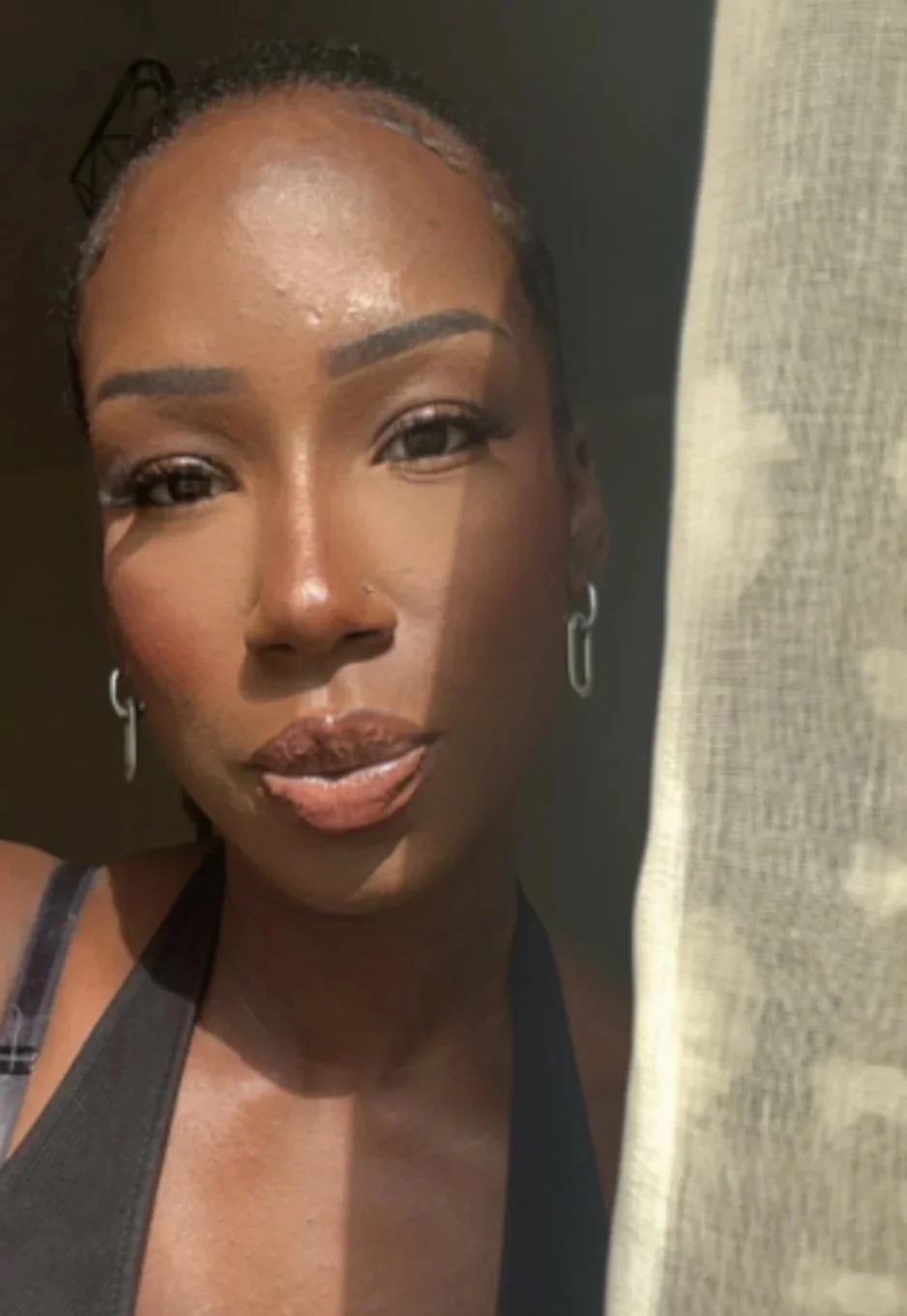


Mid-2024, my skin completely changed despite eating well and living a healthy lifestyle. Acne scars, dark spots, and uneven texture took over, leaving me insecure and desperate for answers. I was told I needed a £3,000 skin peel to fix it… until I discovered a better, more affordable way.
A personal reflection on navigating the healthcare system as a Black woman, sharing my experience with fibroids, misdiagnosis, and learning to advocate for my own health.
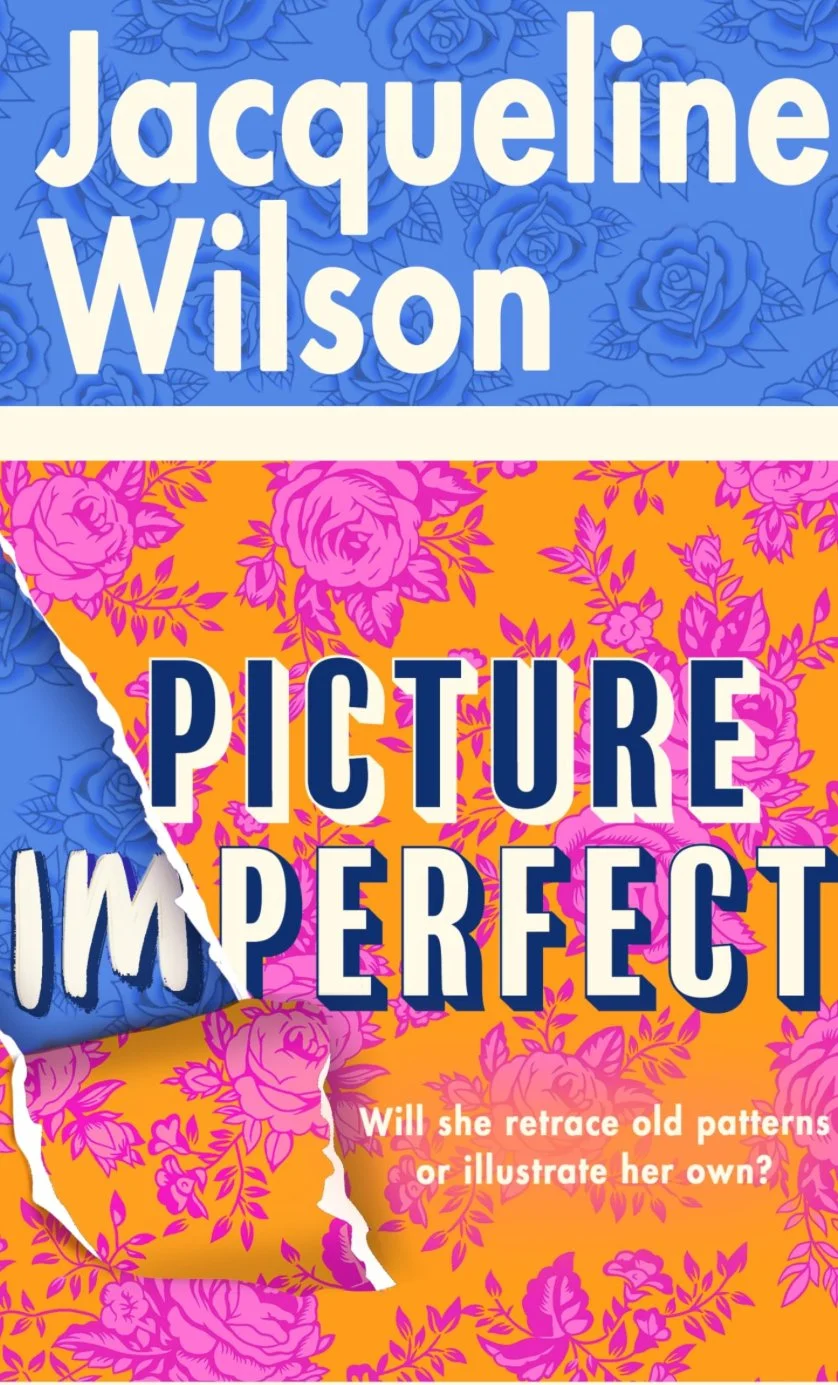
An honest review of Picture Imperfect by Jacqueline Wilson, exploring its themes, characters, and whether it’s worth reading as an adult or a younger reader.